
When to Drop Full Coverage Car Insurance — Rhode Island
Free to compare
The Full Coverage Decision for Multi-Vehicle Households
You own two or three vehicles on one Rhode Island policy. One car is newer, financed, or worth enough that you want collision and comprehensive. Another is older, paid off, and depreciating fast. You're paying for full coverage on both, and the premium for the older vehicle feels disproportionate to what you'd recover after a total loss. You want to know whether you can drop to liability-only on the older car without affecting coverage on the newer one, and whether doing so actually saves money or just shifts risk you can't afford.
Rhode Island's minimum liability requirement is $25,000 per person, $50,000 per accident for bodily injury, and $25,000 for property damage. That baseline applies to every vehicle you register. Full coverage adds collision and comprehensive on top of that liability floor. The decision to drop full coverage is vehicle-specific, not policy-wide: you can carry liability-only on one car and full coverage on another, both on the same policy, without losing the multi-car discount or triggering a policy restructure.
“If collision and comprehensive together cost more than 10 percent of the vehicle's actual cash value annually, you're paying more in coverage than you'd recover.”

Compare Rhode Island Car Insurance Quotes Today
Get My Rhode Island Car Insurance Quote$25,000 / $50,000 / $25,000
Rhode Island Minimum Liability
Every registered vehicle in Rhode Island must carry at least $25,000 bodily injury per person, $50,000 per accident, and $25,000 property damage. Dropping collision and comprehensive leaves this liability baseline in place.
Rhode Island DMV
What Full Coverage Actually Protects
Full coverage is shorthand for a liability policy plus collision and comprehensive. Collision pays to repair or replace your vehicle after an accident you cause or a hit with another object. Comprehensive covers theft, vandalism, weather damage, fire, and animal strikes. Both coverages pay up to the actual cash value of the vehicle minus your deductible. Liability coverage protects the other driver and their property when you're at fault; it does not repair your own car.
When you drop full coverage, you're removing collision and comprehensive from that specific vehicle. Liability remains mandatory. If the older car is totaled in an at-fault accident, you receive nothing from your insurer to replace it. If it's stolen or damaged by hail, you pay the repair or replacement cost yourself. The newer vehicle on the same policy keeps its full coverage intact. The two vehicles operate under different coverage structures on one shared policy.
The multi-car discount applies to the policy, not to individual vehicles. Dropping full coverage on one car does not remove that car from the policy or break the multi-vehicle discount. The policy still covers multiple vehicles; one simply carries less coverage than the others. The premium for the older vehicle drops because collision and comprehensive premiums disappear. The newer vehicle's premium and the policy-level discount remain unchanged.
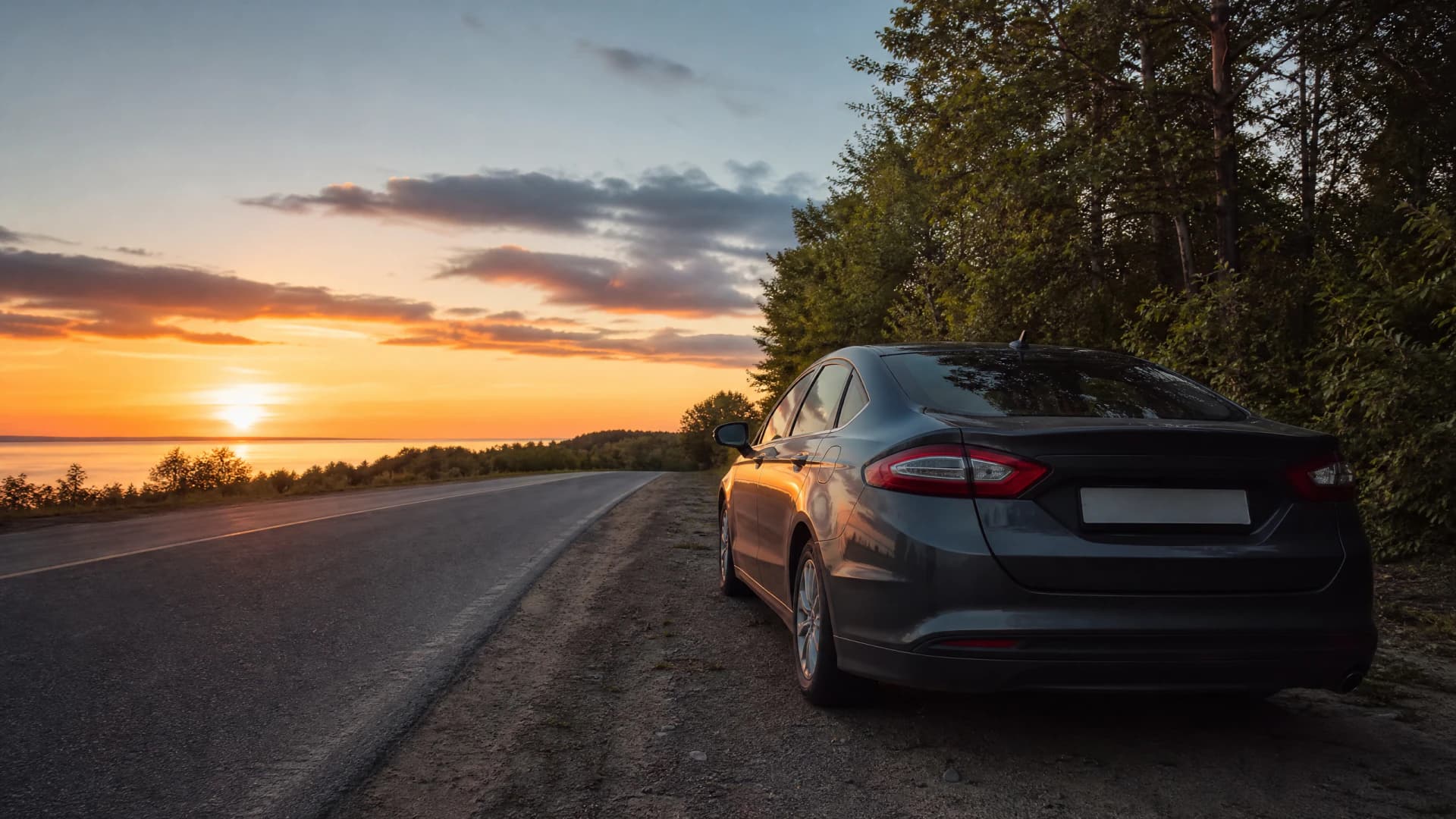
The vehicle-value threshold: if the vehicle's actual cash value is less than ten times your annual collision and comprehensive premium combined, the coverage costs more than it's worth.
Related Articles





State-Specific Considerations in Rhode Island
Rhode Island does not require uninsured motorist coverage or personal injury protection, but many carriers include them as standard or offer them as add-ons. When you drop collision and comprehensive, those coverages remain on the policy unless you explicitly remove them. Uninsured motorist property damage covers your vehicle when an at-fault driver has no insurance; it's distinct from collision and often carries a lower deductible. If you drop collision but keep uninsured motorist property damage, you retain some protection against uninsured drivers without paying for full collision coverage.
Rhode Island eliminated the SR-22 requirement in 2018. Drivers with violations or suspensions no longer file SR-22 certificates. That simplification means dropping full coverage on an older vehicle does not trigger any additional filing or compliance step. The coverage change is purely a policy adjustment between you and your carrier. No state agency monitors or approves the decision.
Twelve carriers write auto insurance in Rhode Island, including State Farm, Geico, Progressive, Allstate, and USAA. Not all carriers price collision and comprehensive the same way. Some charge higher premiums for older vehicles because repair costs are unpredictable; others drop premiums steeply as the vehicle ages. When you're deciding whether to drop full coverage, compare how each carrier prices collision and comprehensive on the older vehicle specifically. A carrier that charges less for liability-only on an aging car may be a better fit for a mixed-coverage household than one that prices all vehicles uniformly.
12.4%
Rhode Island Uninsured Motorist Rate
More than one in ten Rhode Island drivers carries no insurance. Uninsured motorist property damage coverage protects your vehicle when an at-fault driver has no coverage, even after you drop collision.
Insurance Information Institute, 2023
Loan and Lease Requirements
If the vehicle has an outstanding loan or lease, the lender or leasing company requires collision and comprehensive until the loan is paid off or the lease ends. That requirement is written into the financing agreement. You cannot drop full coverage on a financed or leased vehicle without violating the contract, and the lender will force-place coverage at a much higher cost if your policy lapses or drops below their required minimums.
Once the loan is paid off, the lender releases the lien and you own the vehicle outright. At that point, the decision to keep or drop full coverage is entirely yours. Many households continue paying for full coverage out of habit after the loan ends, unaware that the requirement no longer applies. Check your loan payoff date and your current policy. If the vehicle is paid off and its value has dropped below the threshold, dropping collision and comprehensive immediately reduces your premium with no compliance risk.
When Keeping Full Coverage Still Makes Sense
The vehicle-value threshold is a guideline, not a rule. Some households keep full coverage on older vehicles because they cannot afford to replace the car out of pocket if it's totaled, even if the premium feels high relative to the payout. If losing the vehicle would leave you unable to commute, and you don't have savings to buy a replacement immediately, keeping collision and comprehensive buys you time and financial predictability. The premium is a known cost; a total loss without coverage is a sudden, unplanned expense that may exceed what you can manage.
Households that park vehicles in high-theft areas or regions with frequent hail, flooding, or severe winter weather sometimes keep comprehensive coverage even after dropping collision. Comprehensive premiums are typically lower than collision, and the risk of theft or weather damage may justify the cost even on an older vehicle. Rhode Island's vehicle theft rate is 120.7 per 100,000 population, below the national average but not negligible. If your vehicle is a theft target or you park on the street in a high-risk neighborhood, comprehensive coverage may be worth keeping independently.
How to Make the Change
Contact your carrier and request a quote for liability-only coverage on the specific vehicle you want to change. Most carriers process the change immediately and prorate your premium for the remainder of the term. The policy stays active; only the coverage level on that one vehicle changes. The newer vehicle keeps its full coverage, and the multi-car discount remains in place. Review the revised declarations page to confirm the coverage structure matches what you requested.
If the premium savings are smaller than expected, compare quotes from other carriers. Some price liability-only coverage more competitively than others, and switching carriers for the entire household policy may save more than simply dropping coverage on one vehicle. Rhode Island households insuring multiple vehicles should compare carriers that specialize in multi-car policies and offer transparent per-vehicle breakdowns. The comparison clarifies whether the savings come from dropping coverage or from switching to a carrier that prices your household's mix of vehicles more favorably.
The Vehicle-Value Calculation
Actual cash value is what the vehicle is worth today in its current condition, not what you paid for it or what you owe on a loan. Carriers determine actual cash value using market comparables: similar year, make, model, mileage, and condition in your region. You can estimate it using Kelley Blue Book, Edmunds, or recent private-party sale listings for the same vehicle in Rhode Island. Subtract your deductible from that figure. The result is the maximum payout you'd receive after a total loss.
Compare that net payout to the annual cost of collision and comprehensive on that vehicle. Most carriers break down premium by vehicle on your declarations page. If collision and comprehensive together cost more than 10 percent of the vehicle's actual cash value annually, you're paying more in coverage than you'd recover in a claim over a realistic holding period. At that threshold, dropping to liability-only and self-insuring the vehicle's replacement cost makes financial sense for most households.
Get Your Free Quote
Get My Rhode Island Car Insurance QuoteFrequently Asked Questions
Can I drop full coverage on one car and keep it on another on the same Rhode Island policy?
Yes. Rhode Island policies let you carry different coverage levels on different vehicles. You can drop collision and comprehensive on an older car while keeping full coverage on a newer one, both on the same policy, without losing the multi-car discount.
Will dropping full coverage on my older car increase the premium on my newer car?
No. The newer vehicle's premium stays the same. Dropping collision and comprehensive on one vehicle removes only that vehicle's collision and comprehensive premium. The policy-level multi-car discount and the newer vehicle's coverage remain unchanged.
What happens if my older car is totaled after I drop full coverage?
You receive no payout from your insurer to repair or replace it. Liability coverage pays for damage you cause to others, not your own vehicle. If the car is totaled in an at-fault accident or stolen, you pay the replacement cost yourself.
Does Rhode Island require uninsured motorist coverage if I drop collision?
No. Rhode Island does not mandate uninsured motorist coverage. Many carriers include it as standard, and it covers your vehicle when an at-fault driver has no insurance. You can keep uninsured motorist property damage even after dropping collision.
Can I drop full coverage on a financed vehicle in Rhode Island?
No. Lenders and leasing companies require collision and comprehensive until the loan is paid off or the lease ends. Dropping coverage on a financed vehicle violates the loan agreement, and the lender will force-place coverage at a higher cost.
How much does dropping full coverage save on a multi-car Rhode Island policy?
Savings depend on the vehicle's age, value, and your carrier's pricing. Collision and comprehensive premiums vary widely by vehicle. Request a quote for liability-only coverage on the specific vehicle to see the exact savings before making the change.