
Multi-Car Insurance Savings — Rhode Island
Free to compare
When Adding a Vehicle Changes Your Premium
You just bought a second car, or a household member moved in with their own vehicle, and you need to decide whether to add it to your existing Rhode Island policy or start a new one. The multi-car discount sounds straightforward, but the requirements are specific: every vehicle must sit on the same policy, and in most cases they must share a garaging address. A vehicle titled to someone outside your household may not qualify, even if it parks in your driveway every night.
Rhode Island requires $25,000 per person and $50,000 per accident in bodily injury liability, plus $25,000 in property damage liability, for every vehicle you register. When you add a vehicle to an existing policy, the carrier re-rates the entire policy rather than simply adding a flat amount. That re-rating recalculates your premium based on the new vehicle's value, the drivers assigned to it, and the coverage levels you choose. The multi-car discount applies to the re-rated total, but only when the structural requirements are met.
“A vehicle titled to someone outside your household may not qualify for your multi-car discount, even if it parks at your address every night.”

Compare Rhode Island Car Insurance Quotes Today
Get My Rhode Island Car Insurance Quote$25,000 / $50,000 / $25,000
Rhode Island Liability Minimums
Rhode Island requires $25,000 bodily injury per person, $50,000 per accident, and $25,000 property damage per vehicle. Every car on your policy must meet these minimums to register legally.
Rhode Island DMV
The Same-Policy Requirement
The multi-car discount requires every vehicle to appear on the same auto insurance policy. Two separate policies, even with the same carrier, do not qualify. If you and a spouse each have your own policy and you want to combine them, you must cancel one policy and add those vehicles to the other. The discount applies once both vehicles sit on the same policy declaration page.
Most carriers also require that the vehicles share a garaging address. A car titled to a household member but garaged at a different address may not qualify for the same-policy discount, even if that person is listed as a driver on your policy. The garaging address is where the vehicle is parked overnight most of the time, and carriers use it to calculate risk and verify eligibility for household discounts.
A vehicle titled to someone outside your household presents a structural problem. Carriers typically require that every vehicle on a policy be owned by a named insured or a household member. If a roommate or adult child living elsewhere owns the car, it may need its own policy. Some carriers allow exceptions when the vehicle is used primarily by someone in your household, but that decision varies by carrier and requires documentation.
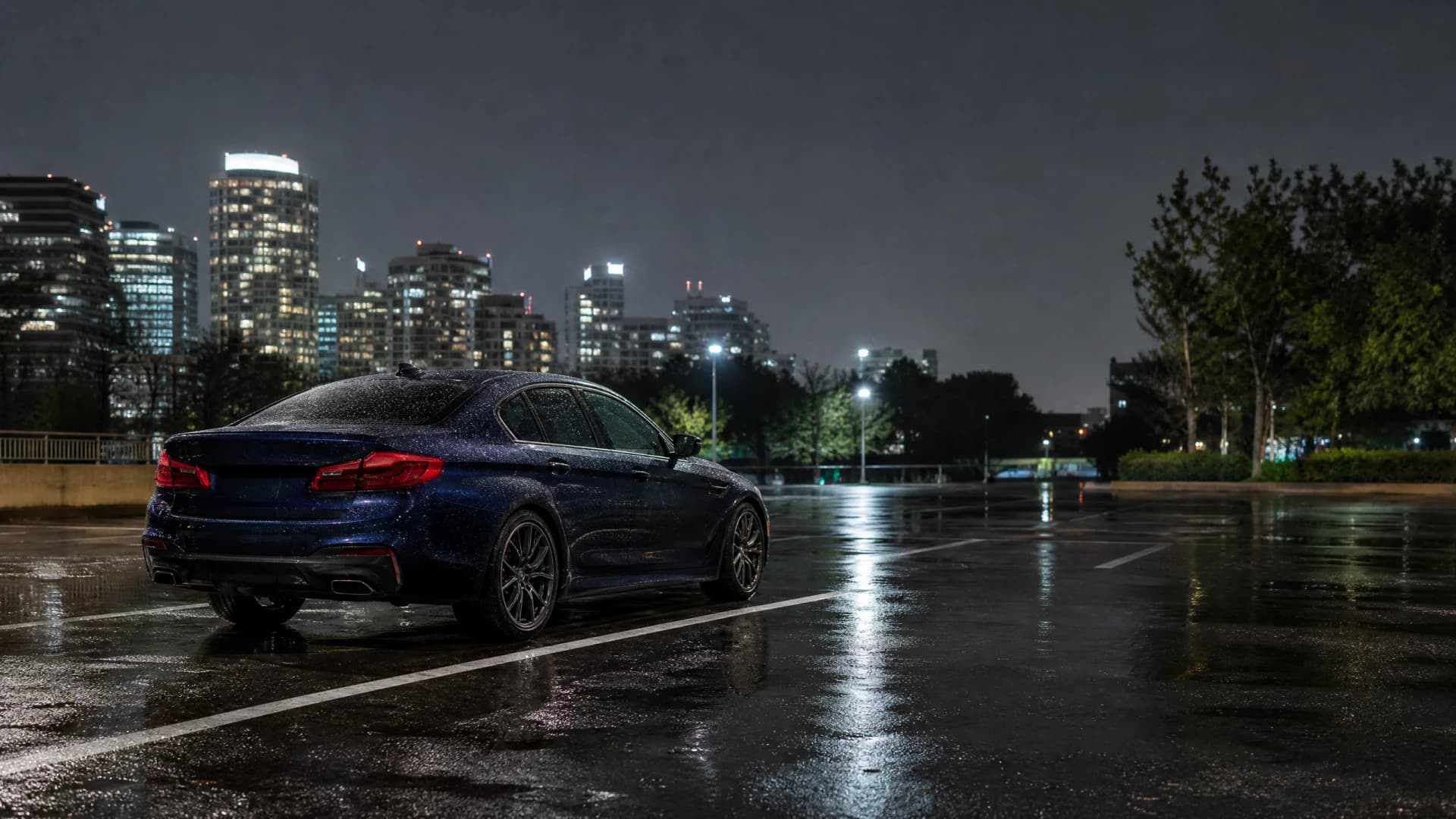
A vehicle titled to someone outside your household may not qualify for your multi-car discount, even if it parks at your address every night.






Combining Policies After Marriage or a Move
When two people with separate policies move in together or get married, combining those policies onto one usually reduces the total premium, but not always. Each policy was rated individually based on that person's driving record, vehicle, and location. Combining them creates a new household policy rated on both drivers, both vehicles, and the shared garaging address. The multi-car discount applies, but the combined premium also reflects the higher-risk driver's record and the more expensive vehicle's value.
If one person has a clean record and the other has a recent violation, the combined policy may cost more than the two separate policies did. The multi-car discount offsets some of that increase, but it does not eliminate it. The decision to combine depends on the specific records, vehicles, and coverage levels involved. Comparing the combined quote against the sum of the two separate premiums shows whether combining saves money in your situation.
Rhode Island does not use SR-22 certificates. If one person previously needed proof of financial responsibility, that requirement was satisfied through standard insurance verification. Combining policies does not trigger any filing or compliance step beyond maintaining continuous coverage that meets state minimums.
12.4%
Rhode Island Uninsured Motorist Rate
Approximately 12.4% of Rhode Island motorists drive uninsured. Adding uninsured motorist coverage to a multi-car policy protects every vehicle and driver on the policy if an uninsured driver causes an accident.
Insurance Research Council, 2023

Coverage Decisions Across Multiple Vehicles
When you insure multiple vehicles on one policy, you choose coverage levels for each vehicle individually. One car may carry full coverage with collision and comprehensive, while another carries only the state-required liability minimums. The multi-car discount applies to the total premium regardless of how you structure coverage across the vehicles.
Collision and comprehensive coverage make sense for newer or financed vehicles. For an older vehicle worth less than a few thousand dollars, dropping those coverages and carrying only liability may reduce your premium more than the coverage would pay out after a claim. The decision depends on the vehicle's value and your ability to replace it out of pocket. Uninsured motorist coverage, which is optional in Rhode Island, protects you if an uninsured driver damages your vehicle or injures you. Adding it to a multi-car policy covers every vehicle and driver on the policy.
Which Carriers Write Multi-Car Policies in Rhode Island
Thirteen carriers write auto insurance in Rhode Island and offer multi-car policies. Allstate, Amica, Farmers, Geico, Hartford, Liberty Mutual, National General, Nationwide, Progressive, State Farm, The General, Travelers, and USAA all write coverage for households with multiple vehicles. Each carrier structures its multi-car discount differently, and the base rates vary significantly by carrier, so the carrier offering the lowest premium for one household may not offer the lowest for another.
State Farm and USAA typically offer preferred-tier pricing for households with clean records and multiple vehicles. Geico, Progressive, and Farmers write standard-tier policies and offer online quoting tools that let you compare coverage options and premiums quickly. The General and National General write non-standard policies for households with violations or lapses, and both offer multi-car discounts within that tier. Comparing quotes from at least three carriers shows which one offers the lowest total premium for your specific household, vehicles, and coverage needs. Use the Rhode Island car insurance requirements page to confirm the minimums and start comparing carriers.
How the Discount Applies to Your Premium
Some carriers apply a percentage discount to each vehicle's premium after calculating the base rate. Others reduce the total policy premium by a flat amount. A third structure applies the discount only to certain coverage components, such as liability or comprehensive, rather than to the entire premium. The result is that a smaller discount on a lower base rate can produce a lower total premium than a larger discount on a higher base rate.
When you add a vehicle mid-term, the carrier re-rates the entire policy effective the date you add the vehicle. The new premium reflects the added vehicle's characteristics, the drivers assigned to it, and the coverage levels you select. The multi-car discount applies to the re-rated total. If you remove a vehicle mid-term, the policy is re-rated again, and the discount may shrink or disappear if you drop below the carrier's minimum vehicle count for the discount.
Get Your Free Quote
Get My Rhode Island Car Insurance QuoteFrequently Asked Questions
Does the multi-car discount apply if I have two policies with the same carrier?
No. The multi-car discount requires every vehicle to appear on the same policy. Two separate policies with the same carrier do not qualify. You must combine the vehicles onto one policy declaration page for the discount to apply.
Can I add my adult child's car to my policy if they live at a different address?
Most carriers require that every vehicle on a multi-car policy share a garaging address. If your adult child lives elsewhere and parks the car at that address overnight, the vehicle typically needs its own policy. Some carriers allow exceptions when the vehicle is used primarily by someone in your household, but that varies by carrier.
What happens to my premium when I add a third vehicle mid-term?
The carrier re-rates your entire policy effective the date you add the vehicle. The new premium reflects the added vehicle's value, the drivers assigned to it, and your coverage selections. The multi-car discount applies to the re-rated total, which may increase or decrease depending on the vehicle and driver characteristics.
Do I need the same coverage on every vehicle on my policy?
No. You choose coverage levels for each vehicle individually. One car may carry full coverage with collision and comprehensive, while another carries only liability. The multi-car discount applies to the total premium regardless of how you structure coverage across the vehicles.
Does combining policies after marriage always save money?
Not always. Combining creates a new household policy rated on both drivers, both vehicles, and the shared address. If one person has a recent violation or a more expensive vehicle, the combined premium may exceed the sum of the two separate policies, even with the multi-car discount. Compare quotes to see whether combining saves money in your situation.