
Uninsured Motorist Coverage — Rhode Island
Free to compare
What Uninsured Motorist Coverage Protects
You're structuring coverage for two or more vehicles in Rhode Island and evaluating whether to add uninsured motorist (UM) coverage to your policy. Rhode Island does not mandate UM coverage, so it appears as an optional line item when you build your quote. The decision matters because 12.4% of Rhode Island motorists drive uninsured, and if one of them causes a crash that injures you or damages your vehicle, your own liability coverage does nothing — liability pays the other party's costs when you cause the crash, not your own.
Uninsured motorist coverage fills that gap. It pays your medical bills, lost wages, and vehicle repair costs when an at-fault driver has no insurance. When you add UM to a multi-vehicle policy, the coverage applies to every car on the policy and to every household member listed as a driver, regardless of which vehicle they were driving at the time of the crash.
“When you add UM to a multi-vehicle policy, the coverage applies to every car and every household member listed as a driver.”

Compare Rhode Island Car Insurance Quotes Today
Get My Rhode Island Car Insurance Quote12.4%
Rhode Island Uninsured Motorist Rate
More than one in ten Rhode Island drivers carries no insurance. When an uninsured driver causes a crash, your liability coverage does not pay your own costs — only uninsured motorist coverage does.
Insurance Information Institute, 2023
Rhode Island Does Not Require Uninsured Motorist Coverage
Rhode Island law requires every driver to carry minimum liability coverage of $25,000 per person for bodily injury, $50,000 per accident for bodily injury, and $25,000 for property damage. The state does not require uninsured motorist coverage, and it does not require personal injury protection (PIP). Both are optional.
This creates a structural reality many households miss: if you carry only the state minimum liability and an uninsured driver injures you, your own policy pays nothing toward your medical bills or vehicle damage. You would file a claim against the at-fault driver personally, but an uninsured driver rarely has assets to collect against. The crash costs fall to you.
Uninsured motorist coverage is the product that closes this gap. When you add it to your policy, it pays your costs when the at-fault driver has no insurance. The coverage sits on your policy as an optional line item, priced separately from liability, and you choose the coverage limits when you build the quote.
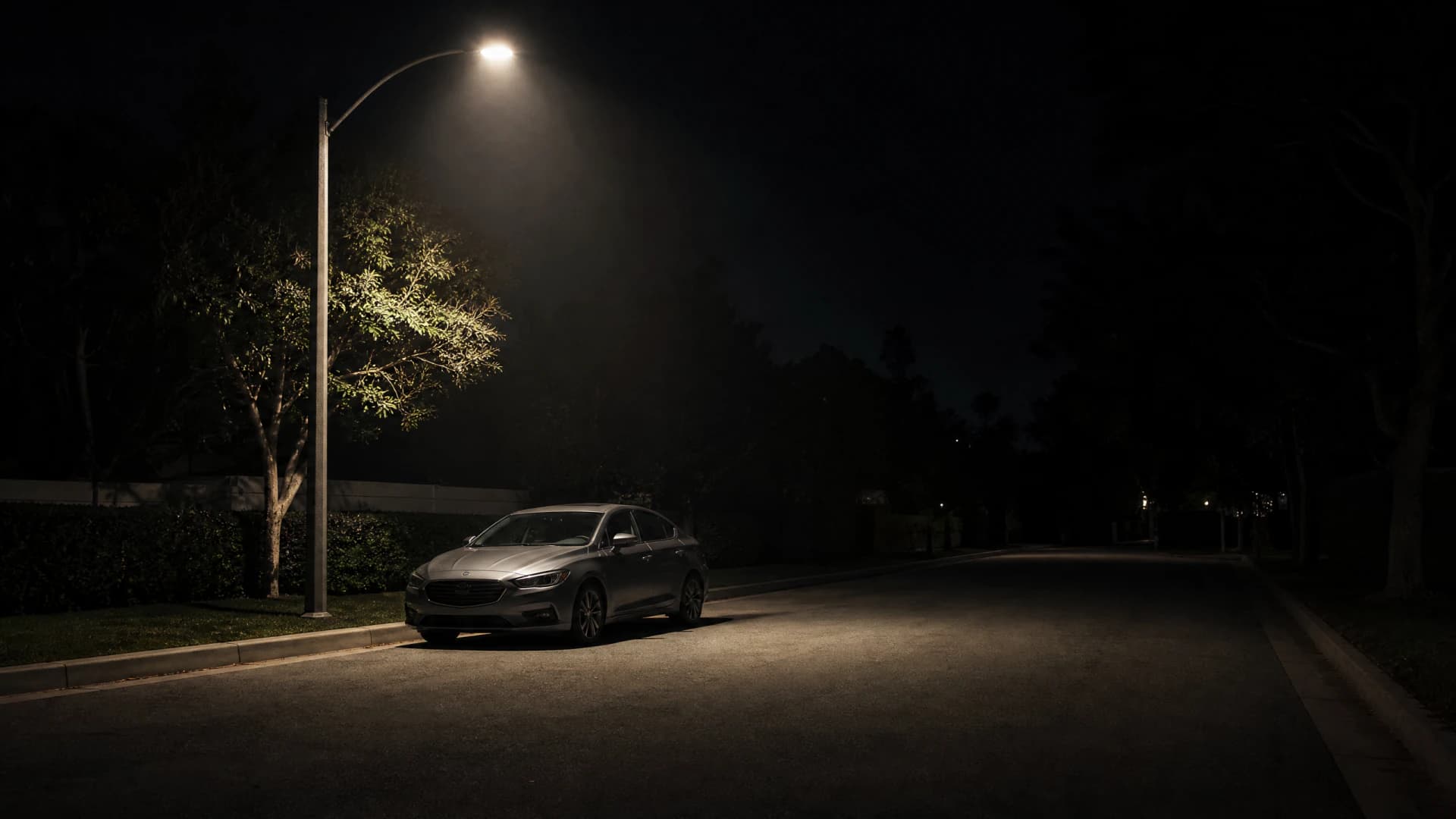
Rhode Island does not mandate UM coverage, so if you decline it at quote time, you have no coverage when an uninsured driver causes a crash.







How Uninsured Motorist Coverage Applies Across Multiple Vehicles
When you add uninsured motorist coverage to a multi-vehicle policy, the coverage applies to every car on the policy and to every household member listed as a driver. The coverage follows the people on the policy, not the individual vehicles.
This structure differs from collision and comprehensive coverage, which attach to specific vehicles. Collision on Vehicle A does not cover a crash involving Vehicle B. Uninsured motorist coverage, by contrast, covers every listed driver and every listed vehicle under the same set of limits. You do not purchase separate UM coverage per vehicle — you purchase one UM line item that covers the entire household.
The coverage also extends to household members injured as pedestrians or bicyclists when an uninsured driver causes the crash. If a listed driver is struck by an uninsured motorist while crossing the street, your policy's UMBI coverage pays their medical bills up to the selected limit, even though no vehicle on your policy was involved in the crash.
One structural quirk: if two household members are injured in the same crash caused by an uninsured driver, the per-accident limit applies to the combined claims.
$25,000 / $50,000 / $25,000
Rhode Island Minimum Liability Limits
Rhode Island requires $25,000 per person for bodily injury, $50,000 per accident for bodily injury, and $25,000 for property damage. These limits apply only when you cause the crash — they do not pay your own costs when someone else is at fault.
Rhode Island Division of Motor Vehicles

Underinsured Motorist Coverage Closes a Second Gap
Underinsured motorist (UIM) coverage is a related product that pays when the at-fault driver carries insurance, but their liability limits are too low to cover your costs. Rhode Island's minimum liability limit is $25,000 per person for bodily injury. If an at-fault driver carries only the minimum and your medical bills exceed $25,000, their policy pays the $25,000 limit and stops. UIM coverage pays the difference, up to your own UIM limit.
Most Rhode Island carriers bundle uninsured and underinsured motorist coverage into a single line item, labeled UM/UIM. When you add UM/UIM to your policy, you select a single set of limits that applies to both uninsured and underinsured scenarios.
Compare Carriers That Write Multi-Vehicle Policies in Rhode Island
Twelve carriers write multi-vehicle policies in Rhode Island, and UM/UIM pricing varies significantly by carrier. Some carriers price UM/UIM as a small percentage of your liability premium; others charge a flat per-vehicle fee. When you add UM/UIM to a three-vehicle policy, the total cost depends on the carrier's pricing model, the limits you select, and whether you bundle UMBI and UMPD or purchase them separately.
Carriers writing multi-vehicle policies in Rhode Island include Allstate, Amica, Farmers, Geico, Hartford, Liberty Mutual, National General, Nationwide, Progressive, State Farm, The General, Travelers, and USAA. Compare quotes from at least three carriers that write your household's vehicle count and driver profile. UM/UIM is optional, so the coverage appears as a line item you can add or decline at quote time. Select limits that match or exceed your liability limits to ensure full protection when an uninsured or underinsured driver causes a crash.
What Uninsured Motorist Coverage Pays
Uninsured motorist bodily injury (UMBI) pays medical bills, lost wages, rehabilitation costs, and pain-and-suffering damages when an at-fault driver has no insurance and injures you or a household member. UMBI applies to every person listed on your policy and to passengers in your vehicle at the time of the crash.
Uninsured motorist property damage (UMPD) pays to repair or replace your vehicle when an uninsured driver causes the crash. UMPD functions similarly to collision coverage, but it applies only when the at-fault driver is uninsured. If you carry collision coverage, UMPD becomes redundant for vehicle damage, though UMPD typically carries a lower deductible or no deductible at all. Households that decline collision on older vehicles sometimes add UMPD as a lower-cost alternative that covers the uninsured-driver scenario without paying for collision protection in every other crash type.
Get Your Free Quote
Get My Rhode Island Car Insurance QuoteFrequently Asked Questions
Does Rhode Island require uninsured motorist coverage?
No. Rhode Island does not mandate uninsured motorist coverage. It is an optional line item you add to your policy when you build a quote. If you decline it, you have no coverage when an uninsured driver causes a crash.
What does uninsured motorist coverage pay for?
Uninsured motorist coverage pays your medical bills, lost wages, and vehicle repair costs when an at-fault driver has no insurance. The coverage applies to every household member listed on your policy and to passengers in your vehicle at the time of the crash.
How does uninsured motorist coverage work on a multi-vehicle policy?
Uninsured motorist coverage applies to every car on the policy and to every listed driver. You purchase one UM line item that covers the entire household, not separate coverage per vehicle. The limits you select apply regardless of which vehicle was involved in the crash.
What is the difference between uninsured and underinsured motorist coverage?
Uninsured motorist coverage pays when the at-fault driver has no insurance. Underinsured motorist coverage pays when the at-fault driver carries insurance, but their liability limits are too low to cover your costs. Most Rhode Island carriers bundle both into a single UM/UIM line item.
Do I need uninsured motorist coverage if I have collision coverage?
Collision coverage pays to repair your vehicle regardless of who caused the crash, but it does not pay medical bills or lost wages. Uninsured motorist bodily injury (UMBI) covers those costs when an uninsured driver injures you. Collision and UMBI serve different purposes, and many households carry both.
How much does uninsured motorist coverage cost in Rhode Island?
UM/UIM pricing varies by carrier, the limits you select, and your household's vehicle count and driver profile. Some carriers price UM/UIM as a percentage of your liability premium; others charge a flat per-vehicle fee. Compare quotes from multiple carriers to see how UM/UIM affects your total premium.